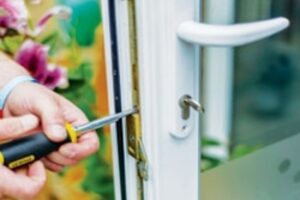
Door Lock Upgrade: Enhancing Security and Convenience
In an ever-evolving world with increasing security concerns, updating door locks has actually ended up being a concern for property owners and companies alike. The significance of securing premises can not be overstated, as statistics regularly expose that robbery is among the most typical criminal activities reported in city and suburban locations. This post looks into the necessity of upgrading door locks, the kinds of locks offered, and the advantages connected with making this essential improvement to one's security procedures.
Why Upgrade Your Door Locks?
There are several compelling reasons to consider upgrading door locks:
- Increased Security: Older locks might not provide the level of security needed to deter modern dangers. Upgrading to exterior door locks replacement can provide much better security functions.
- Improved Technology: Just as innovation advances in other areas, lock technology likewise grows. Smart locks and sophisticated deadbolts provide capabilities unidentified to standard locks.
- Convenience: Many modern locks featured functions that enhance benefit, such as keyless entry systems, which can minimize the hassle of bring secrets.
- Insurance Benefits: Many insurance coverage business use lower premiums to insurance policy holders with updated security systems. Therefore, investing in more secure locks might conserve cash in insurance costs.
- Home Value: Updating locks can increase the worth of a home or business, making it more enticing to potential purchasers.
Table 1: Benefits of Upgrading Door Locks
| Advantage | Description |
|---|---|
| Increased Security | Enhances security against unauthorized entry |
| Improved Technology | Access to features like smart innovation and alerts |
| Convenience | Keyless entry or smartphone control capabilities |
| Prospective Insurance Savings | Lower premiums with boosted security systems |
| Improved Property Value | Increases interest prospective buyers |
Kinds Of Door Locks
When picking to upgrade door locks, it's important to comprehend the range of alternatives offered on the market today. Below are some typical types of door locks that property owners and business owners can consider:
1. Deadbolts
Deadbolts are a popular option for homes due to their robustness. They normally need a crucial or a thumb turn to operate.
Pros:
- High security with resistance to choosing and bumping
- Variety of styles (single, double, and lockable thumb turn)
Cons:
- May need a secret for both locking and unlocking
- Misalignment can prevent the lock from operating properly
2. Smart Locks
Smart locks include benefit and sophisticated security by allowing access through mobile apps, codes, and even biometric information.
Pros:
- Keyless entry removes the need for physical keys
- Can monitor gain access to through notices and logs
- Offers integration with other smart home gadgets
Cons:
- Dependent on battery life and innovation
- Greater initial expense compared to conventional locks
3. Keypad Locks
These locks need a PIN to access. They are popular for both home and commercial setups.
Pros:
- Convenience of not bring keys
- Ability to change the mix routinely for added security
Cons:
- Users may forget the PIN
- Potential for vulnerabilities if the code is discovered
4. Rim Locks
A rim lock is typically utilized in combination with a deadbolt. These are surface-mounted locks that offer additional security.
Pros:
- Easy installation on doors without extra drilling
- Often includes visual attract doors
Cons:
- Can be less secure than other types if not used alongside deadbolts
Table 2: Comparison of Door Lock Types
| Lock Type | Security Level | Convenience | Expense |
|---|---|---|---|
| Deadbolt | High | Moderate | ₤ 30-₤ 200 |
| Smart Lock | Extremely High | High (keyless entry) | ₤ 100-₤ 300 |
| Keypad Lock | High | Really High (no keys) | ₤ 50-₤ 250 |
| Rim Lock | Moderate | Moderate | ₤ 30-₤ 150 |
Actions to Upgrade Your Door Locks
Updating door locks is a straightforward procedure that can be accomplished by following these steps:
- Assess Current Locks: Identify which locks need updating and figure out if replacements are needed.
- Select the Right Locks: Research the various types of locks-- think about security level, convenience, and prices.
- Choose a Professional Installer or DIY: Depending on skill level, decide whether to employ a locksmith professional or attempt installation personally.
- Remove Existing Locks: Follow guides for eliminating old locks; ensure that all parts are secured.
- Set Up New Locks: Follow maker instructions thoroughly to set up the new locks firmly.
- Check the Locks: After installation, check all the locks to ensure they operate properly.
Regularly Asked Questions (FAQs)
1. How frequently should I upgrade my door locks?
It is usually suggested to evaluate door locks every five to seven years, particularly if they reveal indications of wear, and to consider updating if you have actually experienced a security breach.
2. Can I set up locks myself, or should I hire a professional?
While lots of locks can be set up by useful people, working with a professional locksmith guarantees appropriate installation and optimum security.
3. Are smart locks worth the financial investment?
Smart locks use convenience, boosted security features, and the ability to integrate with other smart gadgets, making them a worthwhile investment for numerous.
4. How do I select the best kind of lock for my home?
Think about elements such as the level of security required, ease of use, and your spending plan. Research study reviews and seek advice from specialists to make a notified decision.
Upgrading door locks is not practically improving security; it's also about welcoming technology, enhancing benefit, and potentially conserving cash. With a wide variety of alternatives available, it's important for property owners to assess their specific requirements, select the proper lock system, and comprehend the installation process. Purchasing quality door locks is a proactive step towards ensuring the security and security of one's home or organization.